Home / All Trades / Pipefitter
Career Profile · Trades

Pipefitter

Salary · Training · Career Path · 2024 Data
$62,970
Median annual salary
BLS · 2024
455K
Jobs nationwide
BLS · 2024
6%
Job growth 2024–2034
BLS projection
4–5 yr
UA apprenticeship
Union path
$100K+
Top earner ceiling
BLS top 10%
Programs near you have limited open seats
Start Your Pipefitter Career
Free · No commitment · Match with programs near you
You are in.
We will match you with programs near you. Check your email within 1 business day.
Salary data

What Pipefitters Actually Earn

Median annual salary
$62,970
Industrial and commercial pipe specialists
Top 10% annual salary
$105,150+
Certified welding pipefitters in industrial sector
Entry level
$40,670
First-year apprentice wage nationally
Hourly median
$30.27
National average union scale
Entry apprentice pipefitter
$40,670
Median pipefitter
$62,970
Top earner pipefitter
$105,150
Avg 4-yr degree salary
$65,677
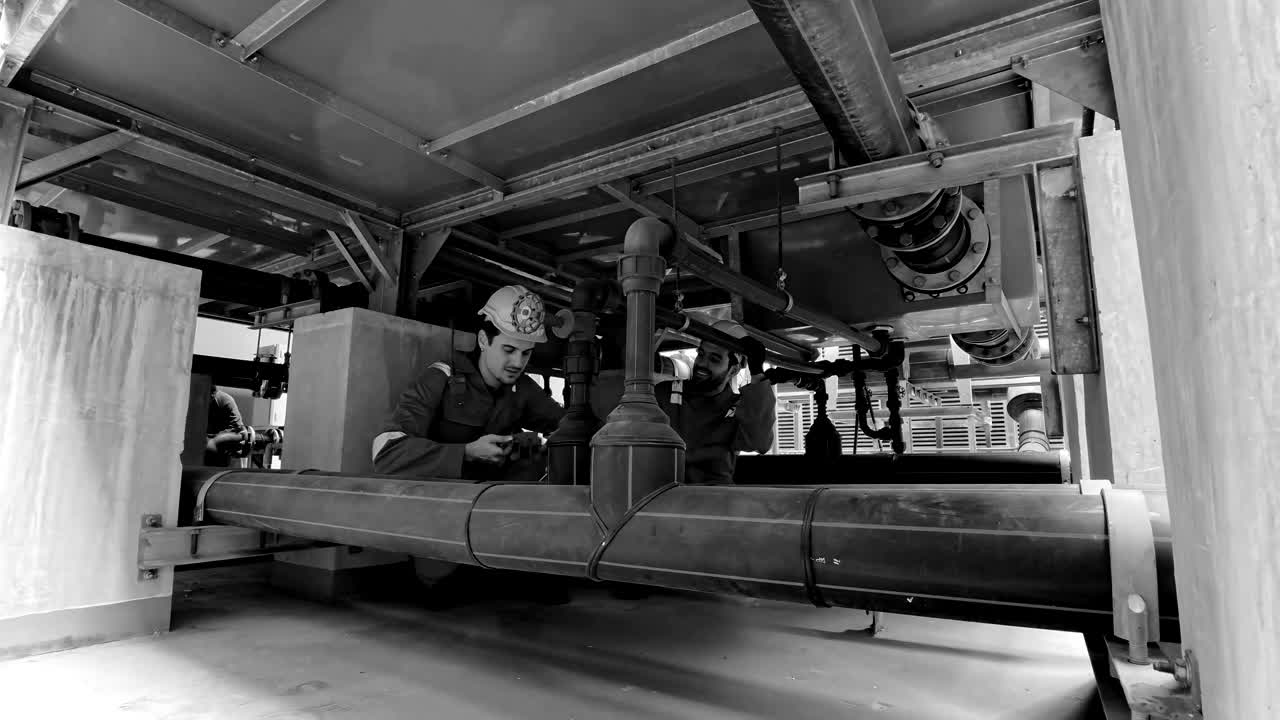
Pipefitters install and maintain the pipe systems that carry steam, hot water, chemicals, and gases through industrial facilities, power plants, and commercial buildings. Industrial pipefitters in the Gulf Coast refinery corridor earn $80,000–$100,000+ through union scale and turnaround overtime.

Sources: BLS OES May 2024 · SOC 47-2152. Individual results vary by sector, location, and certification.

Texas median salary
$65,000
Petrochemical and energy sector premium
Texas top 10%
$95,000+
Refinery and chemical plant pipefitters
Entry level in Texas
$40,000
First-year apprentice — TX wage level
TX no income tax
Advantage
Higher effective take-home than stated salary
Houston area pipefitters
~$65,000
Beaumont/Port Arthur pipefitters
~$78,000
Corpus Christi pipefitters
~$70,000
Texas-specific: The Gulf Coast petrochemical corridor is one of the largest markets for industrial pipefitters in the world. Turnaround work at refineries and chemical plants brings in hundreds of additional pipefitters at premium rates. Experienced Texas pipefitters who work turnarounds can earn $90,000–$110,000+ in peak years.

Sources: BLS OES May 2023 TX state data · CareerOneStop. Gulf Coast estimates based on industry data.

Louisiana median salary
$68,000
Nation's highest pipefitter concentration outside TX
Louisiana top 10%
$100,000+
Refinery turnaround pipefitters
Entry level in Louisiana
$40,000
First-year apprentice — LA wage level
LA market driver
Refineries
Largest refinery concentration outside Texas
Baton Rouge pipefitters
~$70,000
Lake Charles pipefitters
~$78,000
New Orleans pipefitters
~$63,000
Louisiana-specific: Louisiana's refinery and petrochemical corridor between Baton Rouge and Lake Charles is one of the most active industrial pipefitter markets in the country. UA Local 198 (Baton Rouge) is one of the largest and most active pipefitter locals in the nation.

Sources: BLS OES May 2023 LA state data. Refinery corridor estimates based on industry data.

Training paths

How to Become a Pipefitter

Three ways in.
  • UA apprenticeship 4 to 5 years. The primary union path. Entry is competitive in most markets.
  • Pre-apprenticeship certificate 6 to 12 months. Strengthens your UA application and accelerates entry into the trade.
  • Non-union industrial employer Pipe helper roles in refinery and chemical plant markets. Common entry for industrial work outside major metros.
See the full pipefitter training requirements
Your trade-school advantage
Ready to see your $187K path?
See programs near you that get you there.
See programs near you
Day in the life What the Job Actually Looks Like
+
Day in the life

What the Job Actually Looks Like

6:00 AM
Permit review and safety briefing
Review work permits, lockout-tagout procedures, and the day's work scope. Industrial pipefitting requires strict permit compliance before any work begins.
7:00 AM
Layout and fabrication
Reading isometric drawings, measuring and cutting pipe, threading or beveling pipe ends for welding. Precision layout is the foundation of quality pipefitting.
10:00 AM
Installation and fit-up
Assembling pipe sections, positioning fittings, and preparing joints for welding or mechanical connection. Working with riggers to handle heavy pipe sections.
12:00 PM
Lunch and afternoon planning
30-minute break. Review afternoon work scope, coordinate with the welding crew on joint sequencing.
1:00 PM
Pressure testing or system hookup
Hydrostatic or pneumatic pressure testing of completed pipe sections, or making final connections to existing systems during turnaround work.
4:00 PM
Documentation and closeout
Complete work permits, log materials used, and prepare the work area for the night shift or next day's work.
What you will need Skills That Make a Great Pipefitter
+
What you will need

Skills That Make a Great Pipefitter

Blueprint and isometric reading
Isometric pipe drawings are the roadmap for every installation. Pipefitters must read and interpret these drawings accurately to lay out and install systems correctly.
Pipe fitting math
Calculating offsets, travel distances, and fitting allowances requires applied math every day. Precision in layout prevents costly rework.
Welding skills
Many industrial pipefitters develop pipe welding skills. AWS-certified pipe welders earn significantly more and have more employment options in the industrial sector.
Systems knowledge
Understanding how steam, process, and utility piping systems work — pressure, flow, temperature relationships — makes a pipefitter more valuable on complex industrial projects.
Physical conditioning
Working with heavy pipe in industrial environments, often at elevation or in confined spaces. Physical stamina and conditioning are part of the job.
Safety compliance
Industrial facilities have extensive safety management systems. Permit-to-work, lockout-tagout, and confined space procedures are followed without exception.
Job market outlook The Market for Pipefitters in 2026
+
Job market outlook

The Market for Pipefitters in 2026

Projected job growth 2024–2034
6%
BLS — industrial investment driving demand
New openings per year
48K
Growth plus replacement demand
Current pipefitter jobs in the US
455K
BLS · 2024
AI displacement risk
None
Physical industrial work — cannot be automated

Pipefitters are essential to the industrial infrastructure of the country. Refineries, chemical plants, power stations, and manufacturing facilities all depend on properly installed and maintained pipe systems. Every facility requires ongoing maintenance that creates steady work regardless of new construction cycles.

The energy transition is creating new pipefitter demand in LNG export facilities, hydrogen production plants, and industrial-scale battery manufacturing. These high-tech industrial facilities require the same pipe fitting skills as traditional oil and gas, with the addition of new specialty systems.

Turnaround work at refineries and chemical plants is where the highest pipefitter incomes are made. Planned facility shutdowns for inspection and maintenance bring in hundreds of additional pipefitters at premium overtime rates for concentrated periods of intensive work.

Common questions Pipefitter FAQs
+
Common questions

Pipefitter FAQs

Plumbers primarily work on water supply, drain, waste, and vent systems in residential and commercial buildings. Pipefitters specialize in industrial and commercial pipe systems that carry steam, hot water, chemicals, gases, and process fluids in industrial facilities, power plants, and large commercial buildings. The trades have separate apprenticeships and different licensing requirements.
Contact your local United Association (UA) office. The application process typically involves a written aptitude test, interview, and background check. Having a background in welding, construction, or related trades strengthens an application. Some locals have pre-apprenticeship programs. Competition varies significantly by market — industrial markets like Houston and Baton Rouge have the most active locals.
Pipefitters in Texas earn a median around $65,000 per year, with industrial specialists in the Gulf Coast corridor earning significantly more. Experienced pipefitters working refinery turnarounds in the Beaumont–Port Arthur area can earn $90,000–$110,000+ in peak years through base wages, overtime, and per diem.
Welding is not universally required but is a highly valuable skill for pipefitters, particularly in the industrial sector. AWS-certified pipe welders command significant pay premiums. Many UA apprenticeship programs include welding training. Pipefitters who develop 6G pipe welding certification alongside their fitting skills are among the most sought-after tradespeople in the industrial market.
The primary industrial employers are oil refineries, petrochemical plants, power generation facilities (including nuclear), LNG terminals, pharmaceutical manufacturing, food and beverage processing, and HVAC/mechanical contractors. Commercial construction — hospitals, data centers, and large office buildings — also employs significant numbers of pipefitters.
Earn more

Similar Trades That Pay More

What people are saying
The salary data on this site is more detailed than anything I found elsewhere.
AdamGeorgia
I sent this to my nephew who’s considering trades — incredibly thorough.
TonyFlorida
Finally a site that gives real numbers without trying to sell you something.
MattPennsylvania
Your Pipefitter Career
Starts Here.

We will connect you with pipefitter apprenticeship programs near you. Free for workers. Always.

Take the Career Quiz → Browse All Trades
START YOUR TRADE CAREER FREE MATCHING · 2 MIN · NO SPAM
Get Matched Free →